
Why a Garden Room is a Superior Choice to an Extension in Glasgow
When homeowners in Glasgow consider expanding their living space, the decision often comes down to choosing between a traditional extension and a garden room. While extensions have been the go-to option for many years, garden rooms are rapidly gaining popularity. This shift is not without reason. Garden rooms offer unique benefits that often make them a better choice for Glasgow residents. This article explores why a garden room can be a smarter, more practical, and more enjoyable investment than a conventional extension.
Faster Installation and Less Disruption
One of the biggest advantages of choosing a garden room over an extension is the speed of installation. Extensions typically require lengthy planning permissions, foundation work, and construction that can take several months. This process often disrupts daily life with noise, dust, and limited access to parts of the home.
Garden rooms, by contrast, are usually prefabricated or built using lightweight materials that allow for quick assembly. Many garden rooms can be installed within a few weeks, sometimes even days, depending on the design and size. This means less disruption for families and a faster return to normal life.
Cost-Effective Solution
Building an extension in Glasgow can be expensive. The costs include architectural plans, building materials, labor, and often additional fees for planning permission and inspections. These expenses can quickly add up, especially if unexpected issues arise during construction.
Garden rooms tend to be more affordable because they require less groundwork and fewer materials. Their modular nature means many components are manufactured off-site, reducing labor costs. Additionally, garden rooms often avoid the need for full planning permission, saving both time and money.
Flexibility in Use
Garden rooms offer remarkable flexibility. They can serve as home offices, gyms, art studios, guest bedrooms, or relaxation spaces. Because they are separate from the main house, they provide a quiet, dedicated area free from household distractions.
Extensions, while integrated into the home, may not offer the same level of separation or privacy. Repurposing an extension can also be more complicated and costly if your needs change over time.
Minimal Impact on Property and Garden
Glasgow homes often come with limited outdoor space, making it important to preserve the garden’s character. Extensions can take up significant garden area and may alter the look and feel of your outdoor space permanently.
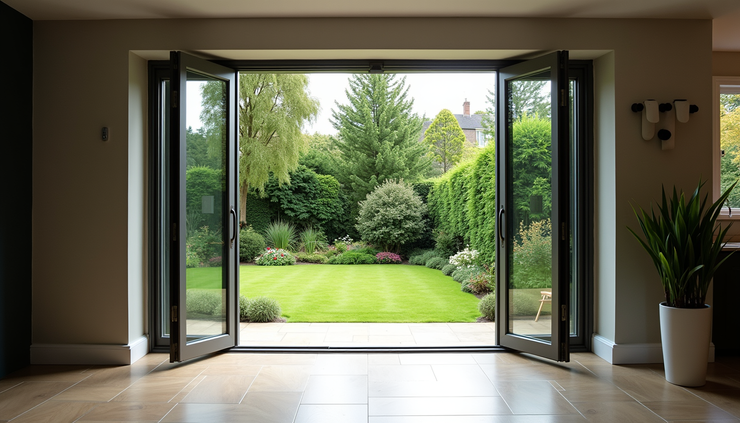
Garden rooms are designed to blend with the garden environment. They often have a smaller footprint and can be positioned in less intrusive locations. Many designs include large windows or glass walls that connect the indoors with the garden, enhancing the sense of space without overwhelming the yard.
Planning Permission and Regulations
Planning permission in Glasgow can be a complex process. Extensions usually require detailed applications and can face objections from neighbors or local authorities, especially in conservation areas or listed properties.
Garden rooms often fall under permitted development rights, meaning they do not require planning permission if they meet certain criteria such as size and height limits. This simplifies the process and reduces the risk of delays or refusals.
Energy Efficiency and Sustainability
Modern garden rooms are built with energy efficiency in mind. They often feature high-quality insulation, double-glazed windows, and energy-efficient heating systems. This can make them comfortable year-round and reduce energy bills.
Extensions can also be energy efficient, but the construction process may involve more waste and resource use. Garden rooms, especially those made from sustainable materials like timber, can have a smaller environmental footprint.
Increased Property Value
Adding usable space to your home generally increases its value. Garden rooms can add appeal by providing versatile, attractive living areas that potential buyers appreciate.
Extensions also add value but may not offer the same flexibility or aesthetic appeal. A well-designed garden room can stand out as a unique feature that enhances the overall property.
Practical Examples from Glasgow Homeowners
A family in the West End installed a garden room as a home office during the pandemic. They completed the build in under three weeks and avoided the noise and mess of an extension. The room’s large windows overlook their garden, creating a peaceful workspace.
Another homeowner in Bearsden chose a garden room as a gym and relaxation space. The garden room’s insulation and heating system made it usable all year, and its location preserved the main garden area for children to play.
In Pollokshields, a couple added a garden room for guests. The separate entrance and privacy made it ideal for visitors, and the quick installation meant they could use it within a month.
Maintenance and Longevity
Garden rooms generally require less maintenance than traditional extensions. Their materials are often treated to withstand Glasgow’s wet climate, and their design allows for easy cleaning and upkeep.
Extensions, built with traditional materials, may need more frequent repairs or renovations over time, especially if exposed to damp or poor weather conditions.


Comments